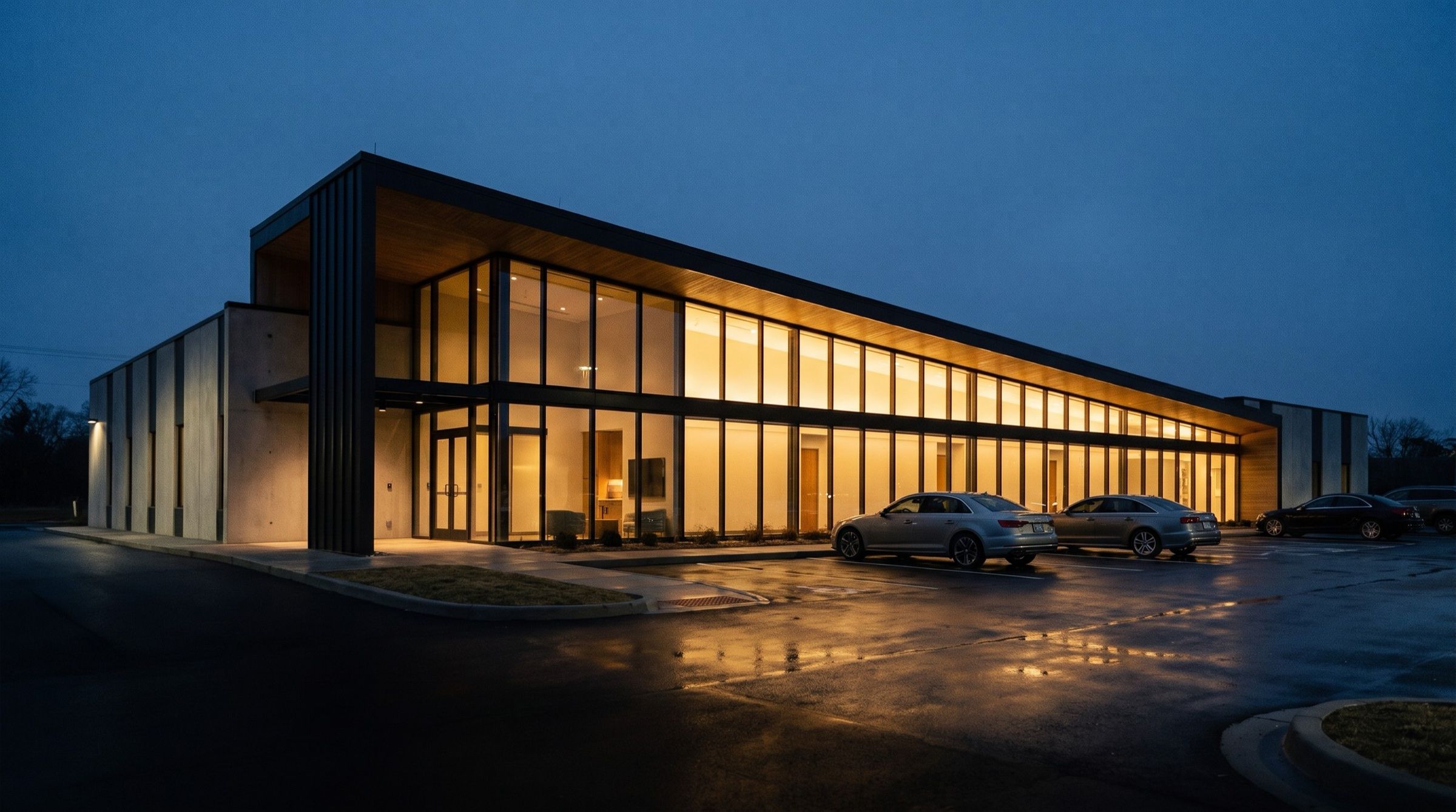
Property · Opening 2027
The building itself.
Commercial property premium for medical practices has risen faster than the losses behind it for years. The property captive opens in 2027 to insure the buildings, equipment and income physicians own, and to return the difference to them.
Why practice property belongs in a captive
Captives keep predictable risk best, and practice property is predictable.
Losses are documented, buildings are inspected, equipment is maintained on a schedule, and a practice with a clean loss run stays clean. The commercial market prices medical practices with every other small commercial account and has raised rates across the class for several years, regardless of the individual record. A captive prices the practices it admits.
The captive retains
The frequent, smaller losses: a burst pipe, a stolen laptop, a failed compressor, a roof section after a storm. These are the losses a pool of practices can predict and fund from premium. They are where the surplus is made.
Reinsurance takes
The rare, large losses: a total fire, a hurricane across a region, a flood through a surgery center. The captive sets a retention per loss and per year and places everything above it with rated reinsurers. One catastrophe is the reinsurer’s loss, not the members’.
How pricing will differ
Your own record
The captive underwrites each location on its own record and construction, not on the class. A practice with a well-maintained building and no claims in ten years pays for its own risk, not the class average.
Pooled reinsurance
The pool buys reinsurance at terms a single practice cannot obtain, and places everything above the retention with rated reinsurers.
The surplus
What is not spent is credited back as surplus instead of staying with a carrier. The premium on day one is set by an actuary from the same loss data the market uses. The difference shows at the end of the year, and it compounds.
The terms a pool can set
A practice buying alone accepts the standard policy form, and its exclusions are usually discovered at claim time. A pool that writes its own form and places its own reinsurance sets the terms the practices in it need.
| Deductibles | Lower on the claim types that recur, such as water damage and equipment breakdown. |
| Limits | Higher on the exposures that matter most, such as business income after a surgery center closes. |
| Exclusions | Fewer of the ones written for the general commercial market that fall hardest on medical practices. |
| Reporting | Claims-reporting provisions and extended reporting periods written for how a practice actually discovers a loss. |
Where property sits in a practice’s insurance
A medical practice buys a set of policies every year, usually from several carriers through one broker. Each answers for a different loss.
| Commercial property | The building, the medical equipment, the inventory and the tenant improvements, against fire, theft, wind, water and the other covered perils, and the business income lost while any of it is out of service. This is the line the captive opens with. |
| General liability | Claims by third parties for bodily injury, property damage and personal injury on the premises or arising from the practice’s operations. |
| Cyber | Data breaches, ransomware and the other attacks that target practices because patient records are valuable. |
| Employment practices | Claims of discrimination, wrongful termination, harassment and other employment disputes. |
| Auto and fleet | Vehicles the practice owns or uses for its work, which matters most to mobile and multi-site operations. |
| Directors and officers | Claims against practice leadership over management decisions and governance. |
| Medical malpractice | The professional line, written on this platform by Cornerstone Indemnity. |
What a practice can prepare in 2026
| Locations | A schedule of locations with replacement values, construction type, year built and the most recent inspection or appraisal. |
| Equipment | An equipment list with values for anything over a threshold you choose, including imaging, laboratory and surgical equipment. |
| Loss runs | Five years of loss runs from the current carrier. The carrier is required to produce them. |
| The policy | The current policy with its limits, deductibles and renewal date. Renewal dates set the order in which practices join. |
| History | Premium and exposure history for the last five years. Your broker holds it and can produce it on request. |
| Entities | An organization chart showing which entity owns each building and each practice. The policy is issued to the entities that hold the risk. |
Practices on the interest list hear first, with coverage terms and underwriting requirements before the line opens.
Questions about the property line
What will the property captive cover?
Buildings, contents, medical equipment and business interruption for physician practices, ambulatory surgery centers and the real estate that physicians own and lease to their practices. Coverage terms will be published before the line opens in 2027.
Why put practice property in a captive?
Because practice property has predictable, well-documented losses, and predictable risk is exactly what a captive keeps best. Commercial property premium for medical practices has risen faster than losses for several years. A captive returns the difference to the practices that paid it.
What can a practice do now?
Join the interest list and gather three things: a schedule of locations and values, three to five years of loss runs from the current carrier, and the current policy with its renewal date. Those three items are what underwriting will ask for first.
When does it open?
In 2027. The interest list is open now, and practices on it will be contacted with coverage terms and underwriting requirements before the line opens.